
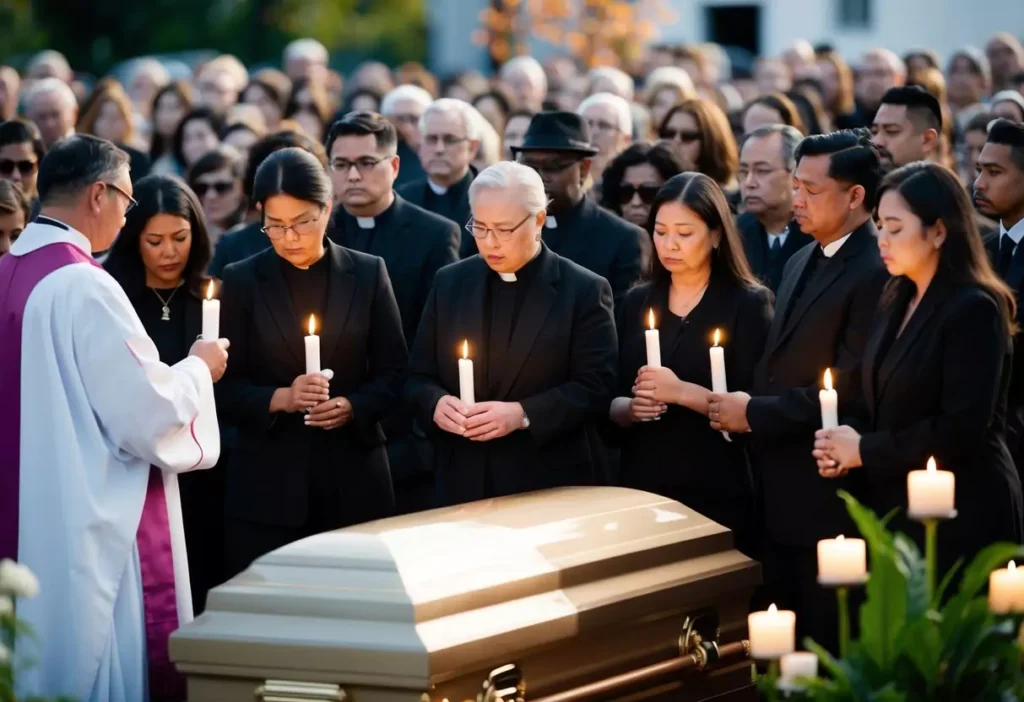
When someone we love dies, the decisions that follow can feel overwhelming. In the midst of grief, families are often expected to make fast choices about arrangements — choices that come with significant emotional, logistical, and financial weight. For many years, those choices were limited: a traditional burial or, increasingly, cremation. But today, more families are discovering that there are other options worth knowing about — alternatives that can be more meaningful, more affordable, and in some cases, more aligned with a loved one’s values and wishes.
Having these conversations before a loss occurs is one of the most caring things a family can do. It removes the guesswork, reduces conflict, and ensures that end-of-life wishes are actually honored. So let’s talk about what those options look like.
Whole Body Donation: A Gift That Keeps Giving
One of the most meaningful — and least discussed — alternatives to a traditional funeral is whole body donation. Miami is a recognized hub for healthcare innovation and medical research, and whole body donation programs serving the area connect families who want to contribute to that mission with accredited institutions doing critical work. For families considering the cremation services Miami offers as a standalone option, whole body donation presents something even more significant: a way to make cremation part of a larger gift to science, at no cost to the family.
When a person donates their body to medical science, that gift directly supports the training of future physicians, the refinement of surgical techniques, and the testing of medical devices and treatments that benefit patients for generations. Medical students develop hands-on anatomical knowledge that textbooks and digital models simply cannot replicate. Surgeons practice complex procedures before performing them on living patients. Pharmaceutical researchers use donated tissue to test new treatments — including, in some cases, for the very conditions the donor experienced in their own life.
One of the most practical aspects of whole body donation that families are often surprised to learn is that accredited nonprofit programs typically cover all associated costs — transportation, documentation, and cremation — which can otherwise range from $2,000 to $7,000. Cremated remains are returned to the family within four to six weeks, shipped anywhere in the continental U.S. at no charge.
There are generally no age or BMI restrictions, and many programs can accept donors up to seven days after the date of death when the body has been properly stored. Registration can be completed in advance as a future pledge — the most thoughtful option, because it gives your family clarity and removes the burden of decision-making during an already painful time.
Direct Cremation
Direct cremation is the most straightforward and cost-effective alternative to a traditional funeral. The body is cremated shortly after death, without a formal viewing or funeral service beforehand. Families can still hold a memorial, celebration of life, or gathering at a time and place of their own choosing — which many find more personal and less constrained than a conventional service with a fixed schedule and rented funeral home.
The cost difference compared to a traditional burial is significant. A conventional funeral with burial in South Florida can run $8,000 to $12,000 or more, while direct cremation typically costs a fraction of that. For families who value simplicity, flexibility, or who are managing finances carefully during an already difficult time, it’s an option worth serious consideration.
Green and Natural Burial
For those with a deep connection to the environment, natural or green burial offers a way to return to the earth without the embalming chemicals, metal caskets, and concrete vaults that define conventional burial. The body is interred without chemical preservation, typically in a biodegradable shroud or simple wooden coffin, in a designated natural burial ground.
Green burial is growing in popularity across the country as more people look for end-of-life choices that reflect their values around sustainability and simplicity. Some natural burial grounds are conservation sites, meaning the land is permanently protected — a lasting legacy in itself, and one that resonates deeply with families who want their loved one’s passing to contribute something tangible to the world.
Home Funeral and Family-Directed Care
A lesser-known but deeply meaningful option is the home funeral — where family members take an active role in caring for the body of their loved one before burial or cremation. In most states, this is entirely legal and does not require the involvement of a funeral director. Families wash and dress the body, hold vigil at home, and in some cases may transport the deceased themselves.
This option isn’t for everyone, but for families who want an intimate, unhurried goodbye — one that happens on their own timeline and in familiar surroundings — it can be profoundly healing. Organizations like the National Home Funeral Alliance provide resources and guidance for families considering this path.

Aquamation
Aquamation, also known as water cremation or alkaline hydrolysis, is a gentler alternative to flame cremation that uses water and an alkali solution to break down the body naturally. It uses significantly less energy than conventional cremation, produces no direct emissions, and results in a larger volume of remains. It’s currently available in about half of U.S. states and is gaining ground as an eco-conscious choice for families who prefer cremation but want a lower-impact process.
Starting the Conversation
The hardest part of all of this is often just beginning the conversation. We live in a culture that tends to sidestep the topic of death, which means many families end up making rushed, uninformed decisions at the worst possible moment. But choosing to talk openly about end-of-life wishes — including which of these alternatives resonates most — is an act of love.
Whether it’s donating your body to advance medical science, choosing a simple direct cremation, or returning to the earth through natural burial, the most important thing is that the choice reflects the person whose life is being honored. There’s no single right answer. There is only the one that fits.