
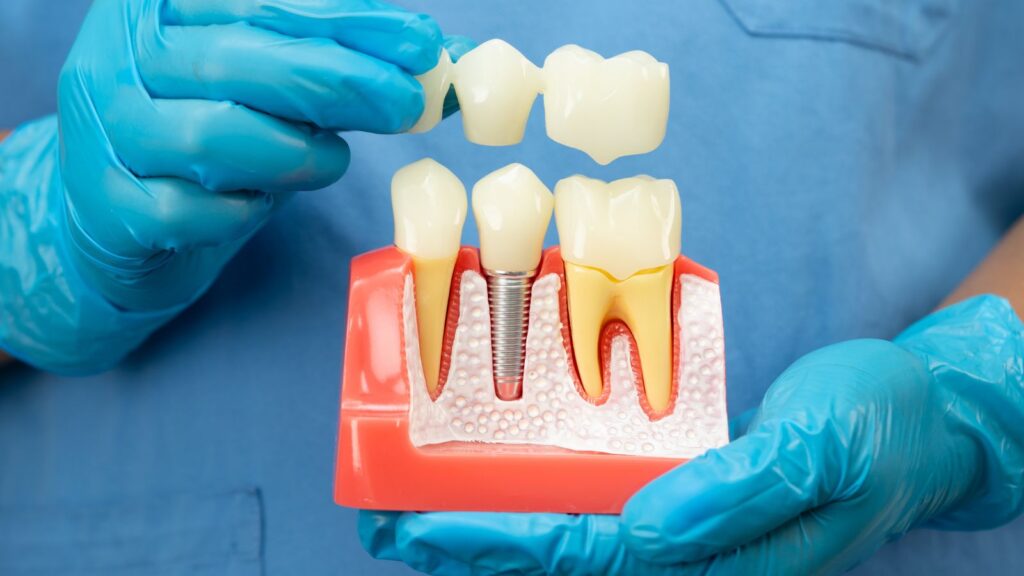
You’ve likely noticed that dental implants cost more than dentures or bridges, and that higher price reflects surgical expertise, implant-grade materials, and long-term functional benefits that lower-cost options typically cannot provide. With implants, you are investing in a titanium or zirconia fixture placed into the jawbone, a precision-crafted restoration, and specialist-level planning designed to preserve bone and maintain stability for decades.
This article explains the primary cost drivers—surgical fees, advanced imaging and planning, materials, and follow-up care—and compares implants with other tooth-replacement options so you can evaluate overall value rather than just upfront expense. It also outlines additional procedures that may affect total cost, such as bone grafting or sinus lifts. If you are reviewing providers, learning more about Renaissance Dental Implant Center in New Orleans, LA can help you understand how experience, technology, and long-term planning influence both outcomes and value.
Core Factors Influencing Dental Implant Costs
You’ll pay for specialized surgery, premium materials, and a personalized treatment plan tailored to your mouth. Each of those elements directly affects the time, skill, and products used to place a long-lasting implant.
Surgical Complexity and Required Expertise
Surgery for implants often involves more than a simple extraction and replacement. If you need bone grafting, sinus lifts, or ridge augmentation, the surgeon spends extra time and uses additional materials and techniques, which raises fees. Complex anatomy, previous infections, or limited bone height increase the difficulty and the number of visits.
Your surgeon’s training and experience matter. Board-certified oral surgeons and prosthodontists typically charge more because they manage surgical risk, use advanced protocols, and obtain higher success rates. Operating in a surgical suite with sedation or general anesthesia also increases cost compared with in-office local anesthesia.
Insurance often covers fewer surgical-implant costs than restorative procedures. That means you may bear most of the surgical fees, not just the visible crown or abutment expenses.
Quality and Type of Implant Materials
Implant systems vary by alloy, surface treatment, and design. Titanium and titanium-alloy posts are standard; high-grade titanium with specialized surface coatings can improve osseointegration but costs more. Zirconia implants offer metal-free alternatives and carry a different price profile.
You’ll also pay for the abutment and the crown. Custom abutments (titanium or zirconia) cost more than stock abutments because labs mill them to your implant’s position. Crowns made from layered porcelain, monolithic zirconia, or porcelain-fused-to-metal vary in material cost and lab time.
Brand name and warranty matter. Premium implant systems backed by long-term data and manufacturer support often have higher upfront costs but may reduce future complications.
Customized Treatment Planning
Implant cases begin with diagnostics: CBCT scans, digital impressions, and surgical guides. A CBCT delivers 3D bone measurements so your clinician can avoid nerve canals and plan optimal implant angulation. Those scans and virtual planning tools add to the bill but reduce surgical surprises.
Treatment planning includes staging decisions—whether to place immediate implants, delay placement after grafting, or use temporary prostheses. Each choice affects chair time, lab fees, and the number of visits you’ll need. Communication between surgeon and restorative dentist—shared digital files, custom guide fabrication, and trial restorations—adds coordination costs that improve fit and long-term outcomes.
Comparing Dental Implants to Other Tooth Replacement Options
You’ll see higher upfront costs for implants, but they differ from dentures and bridges in procedure, maintenance, and long‑term expenses. The next parts break down typical cost components, how implants compare mechanically and biologically, and which option often delivers better value over time.
Removable Dentures Cost Breakdown
Removable dentures usually cost less initially because they avoid surgery and implants. You pay for impressions, a base and artificial teeth, adjustments, and periodic relining or replacement. Expect variations: a basic partial denture runs lower, while a full implant‑retained overdenture adds implant surgery and attachments, raising cost substantially.
Daily maintenance is simpler but ongoing: adhesives, cleaning solutions, and frequent replacement every 5–8 years add recurring expense. Functionally, dentures can lose fit as your jawbone resorbs, prompting more relines and eventual replacement. If you smoke, grind teeth, or have poor bone volume, expect additional appliance wear or adjustment costs.
Fixed Bridges Versus Implants
Fixed bridges cost less than full implant treatment in many cases because they don’t require jaw surgery or osseointegration time. Bridge costs include tooth preparation for adjacent abutments, lab fees for pontics, and occasional replacement every 7–15 years depending on wear and oral hygiene.
Bridges transfer chewing load to neighboring teeth, which can accelerate wear or require root canal treatment later; these downstream costs matter. Implants preserve bone and function like a natural root, reducing later structural problems. If you already have healthy adjacent teeth, a bridge might be cheaper short term; if those teeth need crowns or are compromised, implants often become the better financial and clinical choice.
Long-Term Value Considerations
Assess lifetime cost, not just initial price. Implants typically last decades with proper care; you’ll mainly pay for periodic checkups and occasional crown replacement. Traditional bridges and dentures often need replacement or major maintenance every 5–15 years, creating repeated costs that add up.
Also factor in non‑financial outcomes: implants preserve jawbone, maintain facial structure, and provide stronger chewing efficiency, which can reduce dietary or oral‑health complications. Insurance coverage and financing options vary—verify what your plan covers for surgery versus prosthetics. Run a simple cost projection: multiply expected replacement cycles for dentures/bridges and compare to the one‑time implant investment plus crown maintenance to see which option fits your budget and lifestyle.
Additional Expenses Associated With Dental Implants
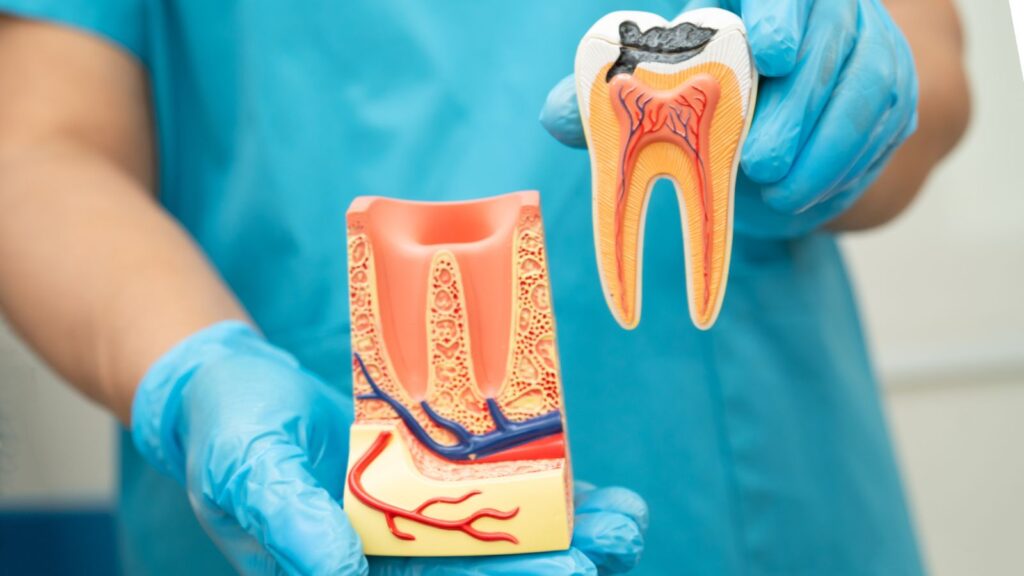
You will face costs beyond the implant fixture itself, including preparatory work, ongoing maintenance, and premium technology that improves outcomes. These items can each add hundreds to thousands of dollars depending on complexity and location.
Preparatory Procedures and Diagnostics
You may need diagnostic imaging such as CBCT scans or panoramic X-rays to map bone volume and nerve positions before surgery. A CBCT typically costs $150–$500 and can be essential for planning implant placement safely.
Bone grafts and sinus lifts are common if you lack sufficient jawbone. A simple graft can add $300–$1,200; a sinus lift or major graft can add $1,500–$5,000. These procedures directly affect implant stability and long-term success.
Extractions, especially of infected or impacted teeth, add procedure and healing costs. You should also factor in pathology tests or biopsies when infection or abnormal tissue is present. Specialist fees (oral surgeons or periodontists) usually exceed general dentist rates.
Follow-Up Care and Maintenance
You will require multiple postoperative visits for suture removal, healing checks, and incremental imaging. Expect at least 2–4 follow-up appointments in the first three months; some practices bill separately for each visit.
Prosthetic adjustments and crown placement follow implant integration. Custom abutments and high-quality crowns can add $800–$3,000 per tooth. If complications occur — peri‑implantitis or loose abutments — treatment costs range from minor maintenance to surgical intervention, often several hundred to several thousand dollars.
Long-term maintenance includes professional cleanings, periodic radiographs, and potential replacement of prosthetic components every 10–15 years. If you grind teeth, a night guard or occlusal adjustments may be recommended to protect the implant and crown.
Technological Advancements in Implant Dentistry
Digital planning software and surgical guides increase precision but add expense. A custom 3D-printed surgical guide typically costs $200–$800 and can reduce surgical time and risk.
High-grade implant materials and surface treatments (titanium alloys, zirconia, coated surfaces) improve osseointegration and longevity. Premium implants and abutments can raise costs by several hundred dollars compared with basic systems.
In-office CAD/CAM milling and same-day crowns speed treatment but require costly equipment. If your practice offers single-visit crown milling, expect higher fees that reflect the lab-equipment investment and reduced turnaround time.