
The chambers of the heart are separated by walls which direct the blood to its proper course. In other people, there is a tiny hole between the upper chambers that they are born with. This is a condition referred to as atrial septal defect (ASD), and it can remain asymptomatic for years. With time, one may develop some hints, hints that indicate that the heart is working to compensate for the additional volume that flows between the atria. These changes should be detected early, especially regarding the long-term consequences if atrial septal defect repair is required. Being aware of the time to seek help can help avoid complications that may not be easily noticed.
Subtle Signs That Hint at Trouble
Early warning indicators are not urgent. Initial symptoms may include overall slowing, recurrent fatigue, or shortness of breath after light exercise. In certain situations, the heart’s design is the cause; however, most individuals blame these changes on ageing or inactivity. ASDs put pressure on the arteries and the right side of the heart by allowing blood to flow back into the oxygen-rich lungs. The symptoms do not go away and develop gradually.
Heart Murmurs and Unfamiliar Sounds
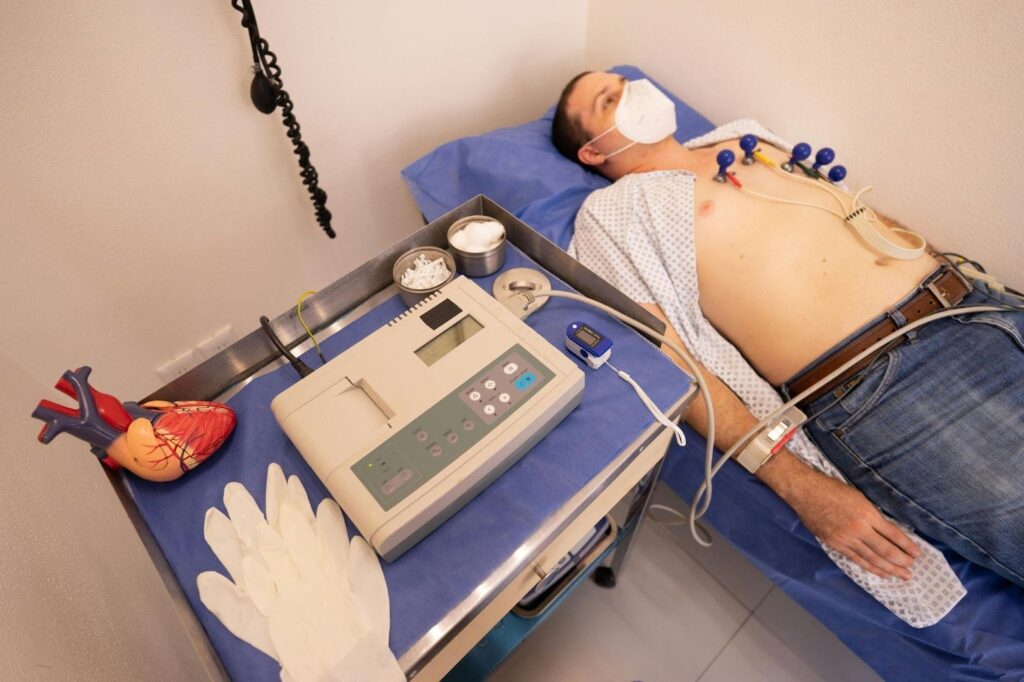
Clinicians may find an unusual sound during regular examinations, which can be an indicator of ASD. This murmur is a sign of turbulent flow due to blood passing over the aberrant aperture. A murmur does not always indicate a problem, but the presence of a murmur should typically be investigated further. Such sounds may take years to surface, but they remain the critical early signs.
Tiredness That Feels Unexplained
People who have an undiagnosed ASD frequently report feeling really worn out. This weariness might not improve with rest or change according to the quality of sleep. Instead, it shows how the right heart’s chambers have been strained over time. Energy reserves decrease as the heart works more to sustain circulation. This type of fatigue is chronic and shouldn’t be written off without further assessment.
Changes in Breathing Patterns
In more severe instances, dyspnoea can be seen at rest and during physical activity. Some individuals complain of feeling tired after talking for a long time or after walking up small hills. These symptoms are caused by the diversion of excessive blood to the lungs, which interferes with regular gaseous exchange. Any change in respiratory comfort should be monitored, especially when it develops over time.
Swelling in the Extremities
An accumulation of fluid in the ankles, feet, or legs may be a sign that the heart is no longer adequately controlling circulation. After prolonged sitting or at the end of the day, this swelling (oedema) is often more noticeable. A variety of illnesses can cause fluid retention, but when it is combined with exhaustion or dyspnoea, more testing is necessary.
Abnormal Heart Rhythms
An ASD may be indicated by irregular pulses or a fluttering feeling in the chest. The right atrium’s electrical function may be disrupted by tension. Even if arrhythmias are transient, their recurrence should not be disregarded. Sometimes these disruptions are the first noticeable signs that prompt someone to seek help.
Delayed Growth or Development in Children
ASD may impact physical development in newborns and younger children. Recurrent respiratory infections, eating difficulties, or slower weight gain could occur. These tendencies frequently prompt paediatric examination. Imaging tests may be suggested to confirm or rule out a cardiac aetiology if symptoms continue despite otherwise excellent care.
Timing Matters for Long-Term Protection
Atrial septal abnormalities are usually not identified early enough. But as the heart and lungs age, the burden of this illness is added to them. Complications that could arise due to failure to get therapy include heart failure, stroke, and pulmonary hypertension. If initial signs of change appear, the examination will help specialists evaluate the heart’s function and determine whether intervention is necessary. The outcomes are much better when secondary damage is prevented after proper repair of an atrial septal defect.

Listening to the Quiet Warnings
When anything is wrong, the body doesn’t always scream. Instead, it presents with murmurs, dyspnoea, and relentless exhaustion that progressively become more pronounced. Early support is made possible by learning to recognise these tiny cues and reacting with curiosity rather than fear. Taking action early could avoid years of silent strain, whether you are a parent worried about developmental pace or an adult facing unexpected fatigue. People with ASDs can anticipate increased vitality and a better quality of life thanks to contemporary diagnostic technologies and individualised treatment plans.