
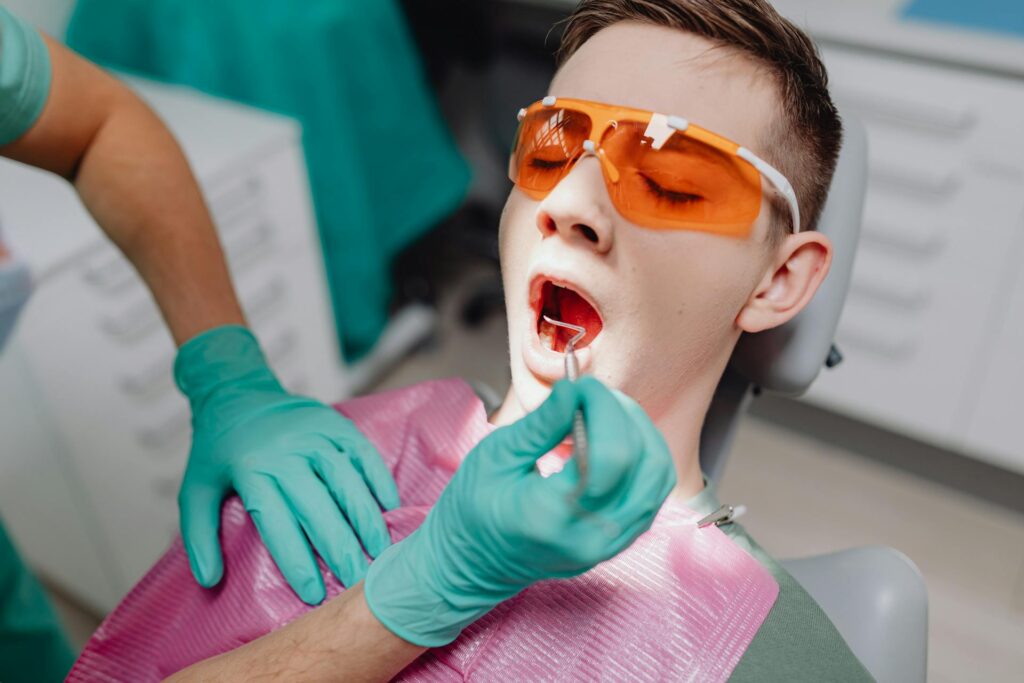
If you’ve suffered an injury that damaged your teeth, you may need to call for an emergency dental visit. Visit a North Miami dentist to take care of your dental issue promptly. Whether you have a severe toothache, sudden swelling, or a cracked tooth, don’t wait to call a dentist for help.
Emergency dental issues can get worse if not handled in a timely manner. A dentist will help to get your urgent relief as soon as possible, keeping you comfortable throughout the process. Read on to learn what you should bring with you to an emergency dental visit in North Miami, so you can be prepared.
What is emergency dental care?
Emergency dental care is designed to address urgent dental issues and to provide quick pain relief. The American Dental Association defines a dental emergency as an issue that may be life threatening and requires treatment right away to help alleviate severe pain or infection.1
Dental emergencies can be stressful for patients who don’t know what to do about their issues. Calling a dentist’s office is the first thing you should do when you are in the midst of a dental emergency.
Some common types of dental emergencies include:
- Severe tooth pain
- Loose and knocked out tooth
- Persistent bleeding
- Cracked or broken tooth
- Lost or broken dental restoration
- Infection or abscess that causes swelling or a fever
- Severe soft tissue injury 2
Dental emergencies can include uncontrolled bleeding, severe pain, or broken facial bones. If left untreated, dental emergencies can lead to further damage, tooth loss, infection, and other dental issues. So, it’s important to address your emergency quickly to prevent these further issues.
What to bring to your appointment
When you have a dental emergency, you may be in a hurry to get to the dentist. It’s important to remember to bring along several important items to your emergency visit. Here’s what you should bring with you to your dental appointment for the smoothest process possible.
Driver’s license or photo ID
Bring a legitimate form of identification to prove your identity. This can include a driver’s license, passport, or other form of photo ID. Provide your current contact details such as your phone number, street address, and email.
This will help the dentist’s office reach you for follow-up appointments and other vital communications. This is especially important if you’re visiting a dentist you’ve never seen before.
Dental insurance card
If you have dental insurance, be sure to bring your dental insurance card, including the policy number, insurance company name, and other pertinent information. Bringing your dental insurance information prevents any delays in the intake process and helps potentially lower your out-of-pocket costs.
Depending on your coverage, your emergency visit may be fully or partially covered by insurance. The administrator should be able to tell you if you have a copay and may be able to give you a cost estimate of what to expect.
Medical history or dental records
If you are visiting a different dentist than you normally see, it’s important to provide your medical history and any dental records, if you have access to them. Your medical history and dental records can help provide information on past procedures and unresolved issues. By understanding your previous dental care, the dentist can make informed decisions on your emergency care.
List of current medications and allergies
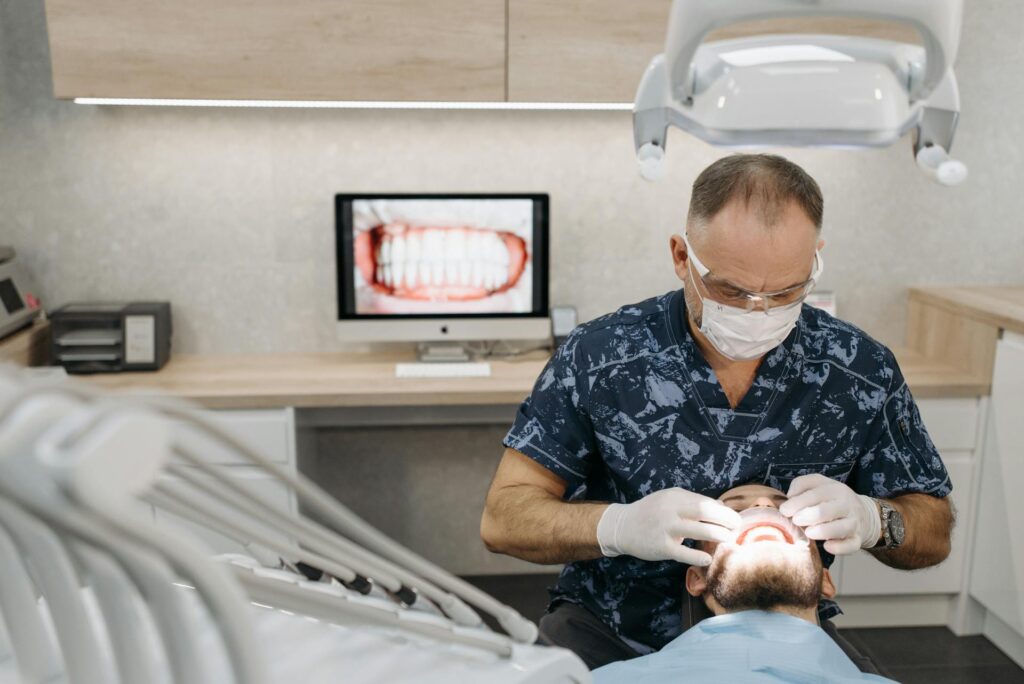
It’s also crucial that you provide a list of any medications you currently take and the dosages, as well as allergies to avoid possible reactions. Include vitamins, herbal remedies, prescriptions, and over-the-counter medications to give the dentist the information they need. This information will help the dentist decide on the best course of action for your dental emergency and avoid any medication interactions or allergic reactions.
Payment method
Be prepared to go over your emergency dental care payment options. You can ask about the accepted payment options, such as credit or debit cards, if there are financing plans for those without dental insurance, or if your insurance has restrictions on emergency visits. Having payment ready streamlines the process and allows you to focus on your dental health.
Be prepared when an emergency strikes
Now you know what to bring with you if you ever have a dental emergency. Bringing the items discussed to a “dentist near me” helps ensure a seamless emergency dental visit for both you and the dentist.