

A weak credit profile can make the loan market seem smaller than it actually is. Many borrowers encounter Bright Lending first because online installment lenders often rank high and advertise heavily, which can make one option appear more significant than it really is.
A smarter approach is to step back and evaluate the full range of options. More banks, credit unions, and online lenders now serve borrowers outside prime credit ranges, and updated consumer rules make reviewing disclosures and account practices increasingly important.
Consider Online Quick Cash Loans
Online quick cash loans are often the first options borrowers see because they’re designed for speed and broad reach. Many of these lenders, including lenders like Bright Lending, cater to people with damaged or thin credit, which is why they frequently appear in searches for urgent loan solutions. That convenience matters, but it doesn’t always tell the full story.
A more useful comparison starts with the loan terms behind the marketing. While loans like bright lending may promise same-day approval, alternatives through banks, credit unions, or other online lenders can offer lower fees, better payment schedules, or clearer account rules. Two loans may look almost identical at first glance, yet the details can make a significant difference in cost and manageability.
Quick cash loans do serve a practical role for borrowers who need fast access and may not qualify elsewhere right away. But speed works best when paired with a careful review of all available options. A loan that’s easy to find should also be easy to understand, and comparing alternatives can help borrowers find solutions that are both fast and more sustainable.
Start With Credit Unions, Not Search Ads
Credit unions deserve early attention because they operate under a more defined small-dollar framework than many online lenders. The National Credit Union Administration (NCUA) and MyCreditUnion.gov both explain payday alternative loans and note that some credit unions offer similar small loans outside the formal payday alternative loan (PAL) label. That gives borrowers a real category to compare, not just a list of websites.
That distinction matters because search results often flatten important differences. MyCreditUnion.gov warns that some private lenders use language that sounds similar to that of PAL programs, even though they are not credit unions. A borrower who begins with a local or federal credit union usually starts in a more verifiable environment.
Banks Are Part of the Small Dollar Market Again
Banks now play a more visible role in this segment than they did a few years ago. Guidance from the Federal Reserve, OCC, and FDIC makes clear that banks can offer responsible small-dollar credit through installment loans or lines of credit when those products follow safe lending principles. That gives borrowers another institutional option with established servicing systems and clearer account oversight.
This does not mean every bank product is automatically the best fit. It means borrowers now have a broader field to review before turning to lightly differentiated online offers. Checking a current bank or a nearby institution first can uncover products that are easier to verify and evaluate.
The Real Comparison Happens in the Disclosure
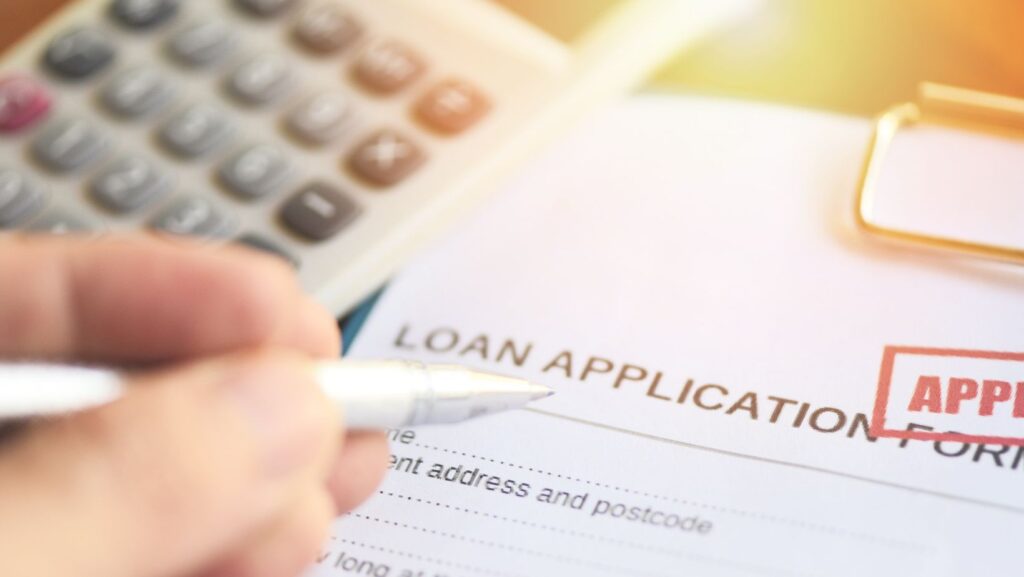
The strongest alternative may still be an installment loan, but the real decision should come from the disclosure, not the headline on a landing page. The Consumer Financial Protection Beureau (CFPB) says personal installment loans often include fees and charges that affect the total cost of borrowing, which makes the loan disclosure the most important document in the process. That is where borrowers can review the payment structure, added charges, and account terms in direct language.
This is also where two offers that look similar can quickly start to differ. One lender may seem competitive at first, but the disclosures can reveal extra fees, strict payment terms, or harsher default rules. Since March 30, 2025, payday and installment lenders must also follow CFPB requirements after repeated failed attempts to withdraw money from a borrower’s account.
A Stronger Application Starts Before Submission
Borrowers with damaged or thin credit files usually benefit from doing a few checks before filing a full application. AnnualCreditReport.com confirms that free weekly online credit reports are still available from Equifax, Experian, and TransUnion, giving applicants a straightforward way to identify errors or outdated account information. That step matters because a single reporting problem can limit options before a lender even reviews the broader file.
Prequalification can also narrow the field without forcing a full application every time. Experian explains that many lenders use a soft inquiry for prequalification, which does not affect credit scores. When an applicant is denied, the CFPB says lenders must provide the main reasons or explain how to obtain them, and that notice can sharpen the next move.
Better Sorting, Better Borrowing
Better borrowing decisions usually come from better sorting, not better marketing. A lender may look appealing on the surface, but the real value of any option depends on what the terms and disclosures actually show. That is especially true for borrowers with weaker credit files. A smaller range of choices makes careful review more important. In the end, the strongest option is often the one that stays clear even after the first impression wears off.