

After a tooth extraction, you want relief quickly and a smooth recovery without complications. Eating soft, nutrient-dense foods, managing discomfort with prescribed or over-the-counter medications, and following proper wound-care instructions help protect the blood clot and reduce infection risk. Making smart food choices and following simple healing guidelines lowers your chances of painful issues like dry socket.
This post explains which soft foods provide adequate calories, protein, and vitamins; how to manage pain safely; and which habits support proper socket healing. By planning meals carefully and protecting the extraction site, you can return to normal activities sooner. If you are preparing for or recovering from tooth extractions in Plymouth, following these steps will help ensure a faster, more comfortable healing process.
Essential Foods for Tooth Extraction Recovery
Choose soft, nutrient-dense foods that protect the clot, limit irritation, and supply protein and vitamins to support tissue repair. Avoid crunchy, chewy, spicy, or very hot items that can reopen the wound or introduce bacteria.
Best Soft Foods to Eat
Prioritize high-protein, soft options that require minimal chewing. Good choices include:
- Greek yogurt (plain or lightly sweetened) — supplies protein and probiotics; avoid varieties with fruit chunks.
- Smooth mashed potatoes — make them with milk or broth for added calories and salt for taste.
- Scrambled or soft-boiled eggs — excellent protein with gentle texture.
- Silky soups and broths — strain out large pieces; warm, not hot.
- Smoothies — blend yogurt or protein powder with soft fruit like banana; drink with a wide straw while being careful not to create strong suction.
- Cottage cheese, hummus, and avocado — soft, nutrient-dense, and easy to swallow.
Keep temperatures lukewarm or cold for the first 48 hours. Cut textures into sizes that eliminate chewing and reduce risk to the extraction site.
Foods to Avoid After Extraction
Steer clear of items that could dislodge the clot, irritate tissue, or promote infection:
- Crunchy foods: chips, nuts, popcorn.
- Chewy foods: steak, bagels, hard candies.
- Seeds and small grains: sesame seeds, quinoa, poppy seeds — they can lodge in the socket.
- Spicy and acidic foods: salsa, citrus juices, hot sauces — they sting and delay comfort.
- Very hot beverages and alcohol: heat can dissolve the clot; alcohol can impair healing and interact with medications.
- Straws and vigorous rinsing: avoid sucking actions for 7–10 days to reduce dry socket risk.
If you feel persistent pain after eating something soft, stop and rinse gently with salt water; call your dentist if bleeding or increasing pain occurs.
Meal Planning for Optimal Healing
Plan meals that combine protein, soft carbohydrates, healthy fats, and fluids across the day. Example day: smoothie with Greek yogurt and banana for breakfast; strained vegetable soup and mashed potatoes for lunch; scrambled eggs with avocado for dinner; soft snacks like applesauce or pudding between meals.
Prep batches in advance to avoid effort during early recovery. Use a blender, sieve, or food mill to achieve safe textures. Track intake of iron and vitamin C to support tissue repair — add pureed leafy greens to smoothies and include citrus in later stages once the socket is stable.
Follow portion control: eat small, frequent meals to maintain energy without overworking your mouth. If you take blood thinners or have diabetes, tailor meal choices with your provider to avoid complications.
Managing Pain and Discomfort
Expect swelling, bleeding control, and throbbing pain in the first 48–72 hours. Use targeted medication, local measures, and rest to minimize pain and reduce complications.
Effective Pain Relief Strategies
Use prescribed analgesics first; typically an NSAID like ibuprofen reduces inflammation and pain. If your dentist prescribes an opioid for severe pain, take it only exactly as directed and for the shortest time necessary.
Combine medications safely: take acetaminophen with an NSAID if recommended to improve relief. Avoid doubling up on drugs that contain the same ingredient. Keep a written schedule for doses to prevent missed or repeated doses.
Non-drug measures help: rest with your head elevated, avoid strenuous activity for 48 hours, and maintain gentle oral hygiene around the socket. If bleeding persists, place clean gauze and bite with steady pressure for 20–30 minutes.
When to Use Cold or Heat
Apply cold packs to the cheek for the first 24–48 hours to reduce swelling and numb pain. Use 15 minutes on, 15 minutes off; wrap the pack in a thin cloth to prevent skin injury.
Switch to moist heat after 48–72 hours if swelling peaks and stiffness remains. Heat promotes blood flow and helps loosen tight jaw muscles. Apply warm compresses for 10–15 minutes, 2–3 times daily.
Do not apply heat if you have active bleeding or signs of infection (increasing pain, fever, pus). Stop cold therapy if numbness or intense skin pain develops and contact your provider.
Recognizing Abnormal Symptoms
Normal pain gradually improves each day; increasing pain, especially 3–5 days after extraction, suggests a dry socket or infection. A dry socket often presents as severe, localized pain radiating to the ear and visible exposed bone in the socket.
Watch for fever over 100.4°F (38°C), spreading swelling that affects breathing or swallowing, persistent heavy bleeding, or pus drainage. These signs require immediate contact with your dentist or emergency care.
If you experience prolonged numbness, loosening of adjacent teeth, or an unusual taste that doesn’t resolve, seek evaluation. Keep a record of symptoms, medications taken, and timing to help your provider diagnose and treat the problem quickly.
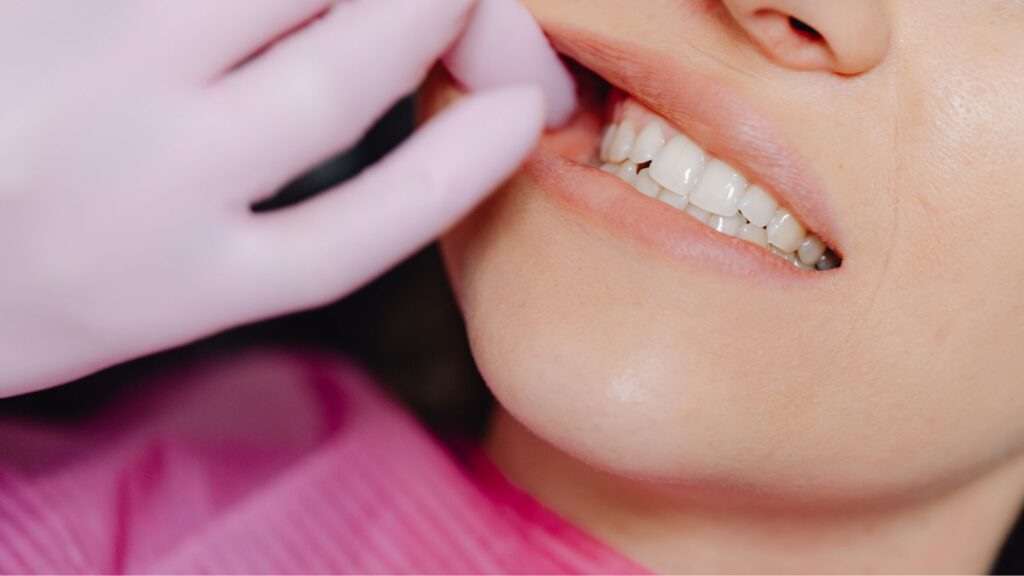
Healing Tips for Faster Recovery
Follow precise cleaning steps, infection-prevention actions, and tissue-support measures to protect the blood clot and reduce pain. Use gentle mechanical and chemical cleaning, timely antibiotic care when indicated, and nutrition or topical aids that help soft-tissue repair.
Keeping the Extraction Site Clean
Avoid rinsing vigorously for the first 24 hours to protect the clot. After 24 hours, rinse gently with warm saline (1/2 teaspoon salt in 8 oz water) 3–4 times daily, especially after eating.
Use a soft-bristled toothbrush and angle the bristles away from the socket when you brush nearby teeth. Do not use interdental brushes or water flossers directly at the extraction site until your dentist clears you.
If food traps in the socket, use a warm salt rinse or a clean, dampened cotton swab to loosen debris—never probe with sharp objects. Replace gauze as directed and avoid spitting or forceful rinsing that can dislodge the clot.
Tips to Prevent Infection
Follow your dentist’s instructions on prescribed antibiotics if given; complete the full course even if symptoms improve. Watch for increasing pain, swelling, fever, or pus, and contact your provider immediately if these occur.
Control swelling with ice packs (20 minutes on, 20 minutes off) during the first 48 hours. Keep systemic infection risk low by avoiding smoking or vaping for at least 72 hours, since nicotine impairs circulation and healing.
Maintain good overall hygiene: clean teeth not involved in the extraction, wash hands before touching your mouth, and avoid sharing utensils. Stick to soft, cool-to-lukewarm foods to minimize irritation and bacterial introduction.
Supporting Gum Tissue Regeneration
Eat protein-rich, vitamin C–rich, and zinc-containing foods to support collagen formation and immune response. Soft options include Greek yogurt, mashed avocado, scrambled eggs, pureed soups, and smoothies (drink without a straw).
Consider topical aids if recommended by your dentist, such as chlorhexidine gel for short-term antimicrobial effect or a prescribed healing paste. Use these products exactly as directed to avoid irritating healthy tissue.
Rest and avoid strenuous exercise for 48–72 hours to reduce blood pressure spikes that can disrupt healing. Stay hydrated and maintain stable blood sugar levels, since dehydration and hyperglycemia slow tissue repair.