
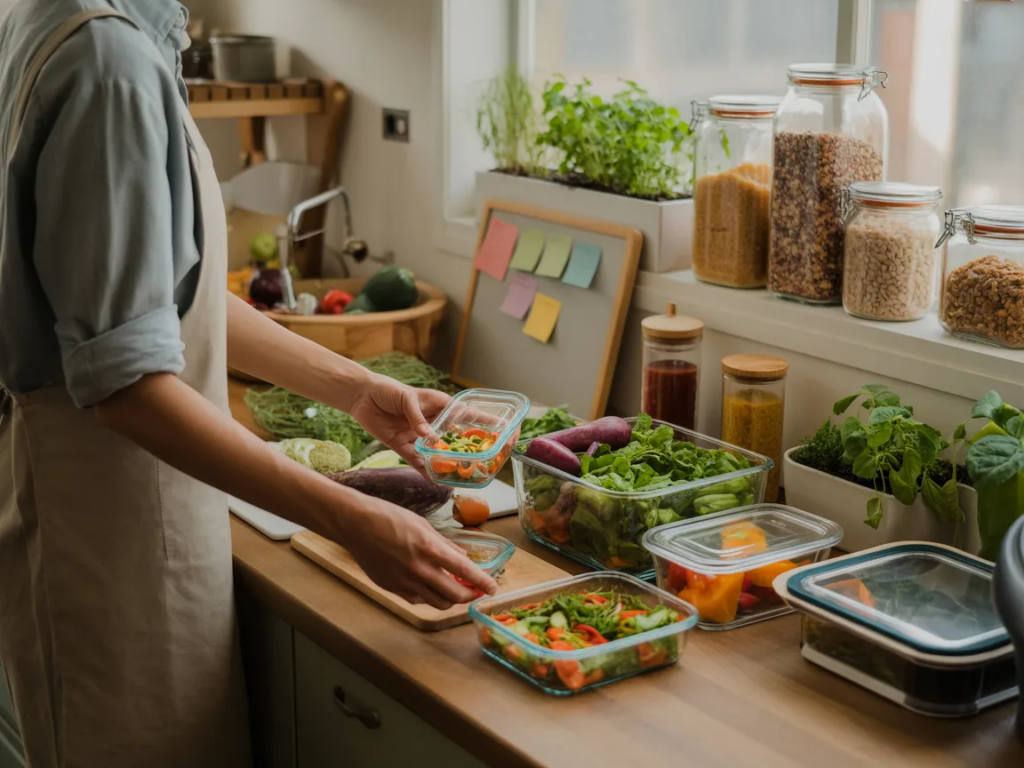
Seafood often arrives at the table as a finished dish, leaving little thought for how it was prepared or which parts of the animal made it there. For many home cooks and curious eaters, this distance creates uncertainty, especially when working with shellfish. Learning how seafood is used from start to finish can transform meals from routine consumption into thoughtful experiences rooted in understanding and respect for ingredients.
Shellfish in particular carry an air of mystery. Lobster, crab, and similar seafood are frequently viewed as restaurant-only indulgences because their preparation seems complex. Yet much of this intimidation comes from unfamiliarity rather than difficulty. When people learn how these ingredients are structured and used, they become far more approachable in everyday cooking.
Understanding the edible parts of a lobster is one example of how knowledge reshapes perception. Instead of seeing lobster as a single luxury item, it becomes a versatile ingredient with multiple textures, flavors, and culinary uses. This shift aligns with a broader movement toward intentional eating, where knowing what is on the plate matters just as much as how it tastes.
Why Ingredient Knowledge Builds Better Cooks
Confidence in the kitchen rarely comes from recipes alone. It develops when cooks understand how ingredients behave, where flavors come from, and how different components contribute to a dish. Seafood education supports this growth by removing guesswork and replacing it with clarity.
When working with whole ingredients, awareness reduces waste and improves results. Knowing which portions are tender, which are best for stock, and which should be avoided entirely helps cooks make smarter decisions. This approach encourages experimentation while minimizing mistakes that often discourage beginners.
Ingredient knowledge also fosters sustainability. Using more of what is purchased honors the effort behind harvesting seafood and supports responsible consumption. This mindset resonates with families and home cooks who want meals to feel purposeful rather than excessive.
Lobster as a Learning Ingredient
Lobster offers a valuable entry point into whole-ingredient seafood cooking. Its structure is distinct, its flavors are well known, and its cultural presence makes it familiar even to those who rarely cook it at home. Learning how lobster is typically broken down reveals how culinary traditions have adapted to its anatomy.
Different parts of a lobster serve different roles in cooking. Some sections are prized for their tenderness, while others contribute depth when used in broths or sauces. This layered use mirrors how cooks around the world approach seafood, valuing versatility over uniformity.
By understanding these distinctions, home cooks gain flexibility. A single lobster can support multiple dishes or techniques, making it less intimidating and more economical. This perspective reframes lobster from a special-occasion item into a thoughtful ingredient that rewards care and attention.
Coastal Traditions and Whole-Animal Cooking
Across coastal regions, seafood preparation often reflects a philosophy of using what the ocean provides with minimal waste. Island and shoreline cuisines emphasize balance, drawing flavor from bones, shells, and trimmings that might otherwise be discarded. This approach is both practical and deeply cultural.
Whole-animal cooking is not about extravagance but respect. It acknowledges that flavor exists beyond the most obvious portions. Shells become stock, smaller cuts enrich sauces, and varied textures create contrast within a single meal. These traditions encourage cooks to see seafood as a system rather than a single cut.
Such practices connect modern kitchens to generations of cooks who relied on knowledge rather than convenience. They also align with contemporary values around sustainability and mindful eating, making them especially relevant today.
Making Seafood Less Intimidating at Home
Many people avoid cooking shellfish because they fear making costly mistakes. Education is the most effective way to overcome that hesitation. When cooks know what to expect from an ingredient, anxiety gives way to curiosity.
Simple explanations about structure and use can turn a complex ingredient into a manageable one. Understanding preparation basics empowers cooks to try new methods, whether grilling, steaming, or incorporating seafood into familiar recipes.
This confidence extends beyond lobster. Once cooks learn how one shellfish works, others become easier to approach. Skills transfer, creating a foundation for broader culinary exploration and more adventurous home meals.
Teaching Food Awareness Through Everyday Meals
Food knowledge is often passed down through shared cooking experiences. Teaching children or new cooks about ingredients builds awareness early, encouraging thoughtful habits that last. Seafood offers a powerful teaching tool because it visibly connects form, function, and flavor.
Explaining how different parts of an animal are used helps demystify food systems. It encourages questions, curiosity, and respect for sourcing. These conversations fit naturally into family kitchens and community gatherings, reinforcing learning through practice.
By integrating education into everyday meals, cooks transform routine eating into an opportunity for growth. Meals become lessons without feeling instructional, grounded in real experiences rather than abstract rules.
A Practical Approach to Enjoying Lobster
Enjoying lobster at home does not require professional training. It requires clarity. When cooks understand preparation principles and the edible parts of a lobster, they can approach recipes with intention rather than hesitation. This knowledge allows for smarter purchasing, better cooking choices, and more satisfying results.
Using lobster thoughtfully also changes how it is valued. Instead of focusing solely on price or presentation, attention shifts to flavor development and technique. This approach aligns with a home-focused food philosophy centered on learning and appreciation.
Practical understanding empowers cooks to adapt recipes, reduce waste, and enjoy seafood in ways that feel accessible rather than exclusive.
Building Confidence Through Knowledge
At its core, ingredient education is about empowerment. Knowing how food works removes barriers and invites participation. Seafood, often seen as complex, becomes an opportunity to learn rather than something to avoid.
As cooks build confidence, they engage more deeply with what they eat. They ask better questions, make informed choices, and develop skills that extend beyond a single dish. This process strengthens the relationship between the kitchen and the table.
Ultimately, understanding ingredients transforms cooking from a task into a craft. It encourages mindfulness, creativity, and respect for food, values that enrich both meals and the people who share them.