
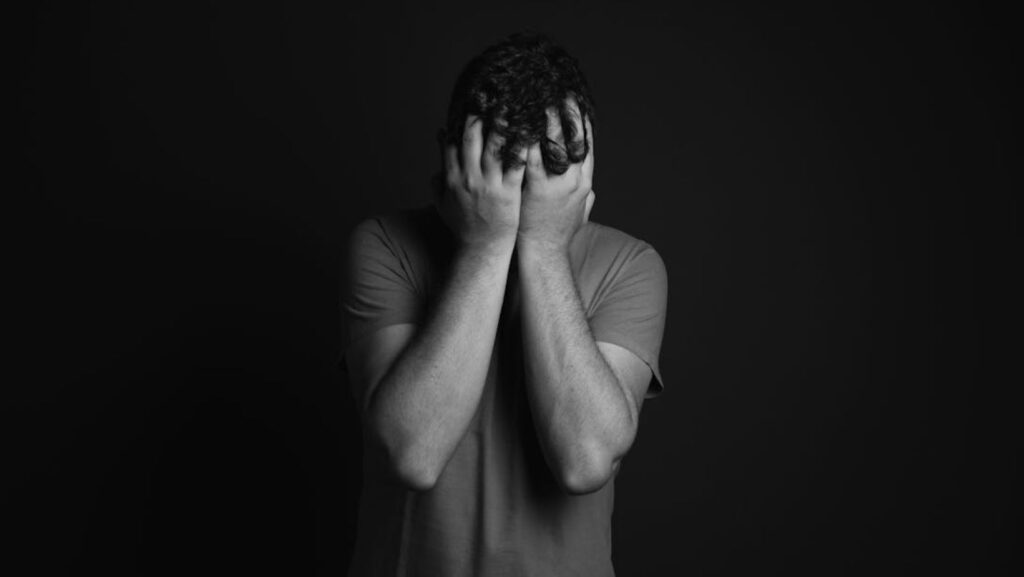
Surviving sexual abuse is one of the most difficult journeys a person can go through.
The effects of trauma don’t end when the abuse stops. They stick around. They seep into your thoughts, feelings, and everyday life…
And that’s why it’s so difficult:
Most survivors are never taught where to begin when it comes to maintaining your health and mental wellbeing after sexual abuse. The good news is it IS possible to recover from the trauma of sexual abuse.
In This Guide
- The Mental Health Impact Of Sexual Abuse
- Warning Signs to Watch For
- Strategies That Help You Maintain Mental Health
- Building a Support Network
- When To Seek Professional Help
The Mental Health Impact Of Sexual Abuse
Sexual abuse inflicts severe and long-lasting psychological damage.
The effects are unique to each individual. However, one common thing all survivors have in common is this…
Survivors will often experience a range of mental health difficulties that can severely reduce quality of life. Research from the University of Washington found 75% of sexual assault survivors met diagnostic criteria for PTSD one month after the assault.
That is an astronomical figure.
But, it also shows survivors something important: this reaction is normal. Just because you experience mental health struggles after sexual abuse doesn’t mean something is “wrong” with you.
Your brain is just trying to process a super traumatic experience.
For those on this journey, it’s also useful to know the average settlement amounts available so survivors can plan their recovery and get the resources they need. Money from sexual abuse cases can be used to cover therapy, medical bills, and other necessary support.
Warning Signs to Watch For
The first thing is knowing what to look out for.
Symptoms of mental illness post sexual abuse can present themselves in many different ways. Some surface right away. Some can take months, even years to appear…
Here are the main warning signs to watch for:
- Flashbacks and intrusive memories
- Anxiety and panic attacks
- Depression
- Sleep disturbances
- Difficulty trusting others, especially in close relationships
These symptoms are overwhelming. But identifying these warning signs is the first step to getting the help you need.
The thing about trauma is that it affects everyone differently. Some survivors will experience all of these symptoms, while others will only have one or two.
No matter what, maintaining your health means being aware of these signs and taking them seriously.
Strategies That Help You Maintain Mental Health
Recovery is not something that happens overnight. It takes time, and patience, and the right strategies.
The thing is…
Survivors who take an active role in their recovery have better outcomes. This is known as “active coping.” Active coping is about learning to accept that having an ongoing response to trauma is normal.
The best place to start is the self-care basics. Sleep, nutrition, and exercise all play a vital role in mental health recovery. Taking care of the body is often the first step to taking care of the mind.
Grounding techniques. When flashbacks and anxiety set in, grounding exercises can be very helpful at bringing you back into the present moment. This might include deep breathing, noticing the physical sensations in your body, or naming everything you can see in the room.
Set boundaries. It’s crucial for survivors to feel safe. This means setting clear boundaries with other people and learning to say no when necessary. Boundaries aren’t about pushing people away. It’s about creating safety to protect your mental health.
Journaling. Writing down thoughts and feelings can be incredibly therapeutic. It’s also a great way to keep track of progress over time.
These tips and strategies work. But, they work best when combined with professional treatment.
Building a Support Network
Survivors should never have to go through this alone.
A strong support network is one of the most protective factors for mental health following trauma. Supportive relationships can be the difference between silently struggling and finding a way forward.
Who should be in this network?
- Trusted friends and family who listen without judgment
- Support groups where survivors can meet and relate with others who have been through a similar experience
- Mental health professionals who specialise in trauma and know how to help
The important thing is finding people who make you feel safe. Negative reactions from others can actually make recovery more difficult. The research tells us that being judged or blamed is associated with higher rates of depression and PTSD.
Choose your support network carefully.
When To Seek Professional Help
If self-help strategies are not enough, that’s okay.
Treatment for mental health conditions related to trauma has advanced significantly over the last decade. There are now several evidence-based therapies which have been scientifically proven to help survivors to recover.
- Prolonged Exposure Therapy allows survivors to face their trauma in a safe, controlled environment. As survivors repeatedly approach their trauma memory, they can start to reduce the power it has over them.
- Cognitive Processing Therapy (CPT) focuses on changing the unhelpful thought patterns that arise in response to trauma. Many survivors internalise self-blame. This therapy can help to reframe that.
- EMDR Therapy uses a series of eye movements to help the brain process memories of the trauma differently.
The WHO data is encouraging for survivors: Up to 40% of people with PTSD recover within one year with the right treatment.
Professional help is not a sign of weakness. It is a sign of strength. It is taking control of your own recovery and giving yourself the best chance of healing.
Wrapping Things Up
Maintaining mental health after sexual abuse is a marathon, not a sprint.
Trauma runs deep. It can affect every area of your life from relationships to work to physical health. But, recovery is possible with the right approach.
Here is a quick recap of what matters most:
- Recognise the symptoms and take them seriously
- Practice active coping through self-care and grounding techniques
- Build a support network of trusted people
- Seek professional help when needed
The journey will be difficult. There will be many setbacks along the way. But every step forward is progress.
Survivors deserve healing. They deserve support. And, they deserve to reclaim their mental health and their lives.
The first step to recovery is one decision: choosing to prioritise mental wellbeing even after everything that has happened to you. That decision alone is incredibly brave.