
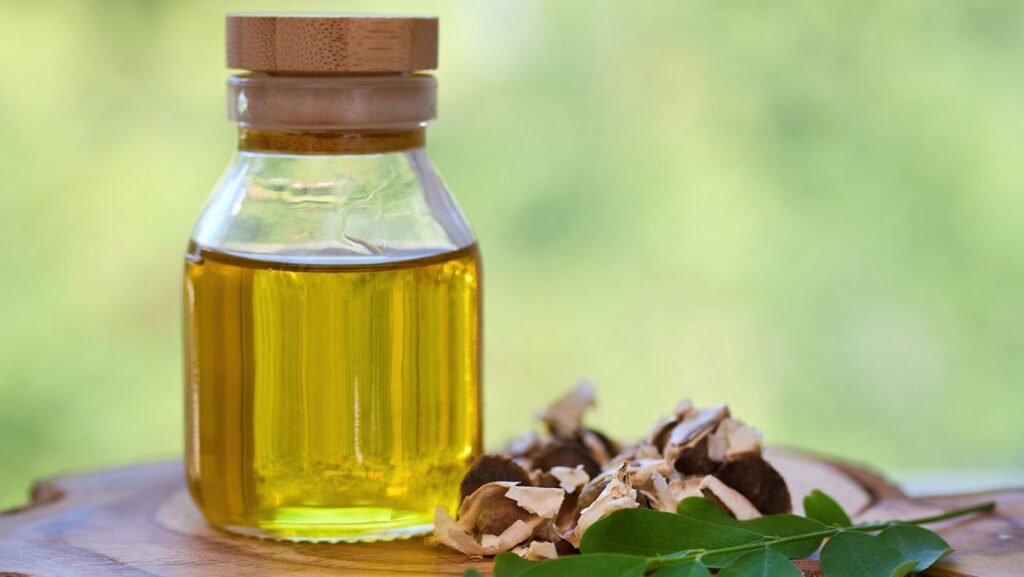
If you are like me, you are always looking for ways to support your health and happiness that feel natural and wholesome. We are often surrounded by complex products with ingredients we can’t pronounce. It makes sense that we feel pulled back toward simple remedies our ancestors used for centuries. This is why more people are turning to natural oils for everything from better skin to a calmer mind.
I have found that small changes in what I put on my body can have a massive impact on my mood and my physical health. Choosing pure plant extracts is an act of self-care. It’s about taking control of your wellness journey, whether you are trying to balance your diet or improve your physical well-being. Think about starting small, like ensuring you understand What Is pH and Why Is It Important? for your skin, and then building from there. Natural oils offer a powerful path to achieving a radiant glow and feeling genuinely good.
Tapping into Nature’s Pharmacy: What Makes Oils So Powerful?
When we talk about natural oils, we are not just talking about something greasy you put on your body. We are talking about highly concentrated plant powerhouses. These botanical liquids carry vitamins, essential fatty acids, and antioxidants straight from the source. These nutrients are exactly what your skin, hair, and nervous system crave to function at their best.
These oils work because they mimic or support the natural processes already happening in our bodies. They provide the building blocks needed to repair cell damage, lock in moisture, and even influence our emotional state through scent. They are a simple, yet profound way to bring us closer to nature’s healing power. When you commit to using them, you are prioritizing your health, just like deciding on Your First Fitness Foundation: A Beginner’s Guide to Home Gym Essentials. It is about making a sustained, positive choice for yourself. You can harness this quiet, steady power for major personal transformations.
Essential Oils vs. Carrier Oils: The Key Difference
It is easy to get confused when you first start working with natural oils. You will see two main types: essential oils and carrier oils. They are both plant-derived, but they serve very different purposes in your wellness routine. Knowing how to use each one safely is the first step toward successful results.
I always tell people that essential oils are the powerful sparks, and carrier oils are the safe, gentle base. You never want to use an essential oil straight on your skin because it is too potent. The carrier oil helps dilute that power so your body can absorb the benefits without irritation. Think of this balance as key to your well-being, helping you feel strong and centered in the same way you feel after Utilizing Symbols for Strength: A Journey of Personal Growth and New Beginnings.
Carrier Oils: Your Dilution Helpers
Carrier oils are typically pressed from the fatty parts of a plant, like the seeds, nuts, or kernels. Their main job is to carry the intense components of essential oils onto your skin without causing harm. They are moisturizing on their own and form the foundation of many beauty treatments.
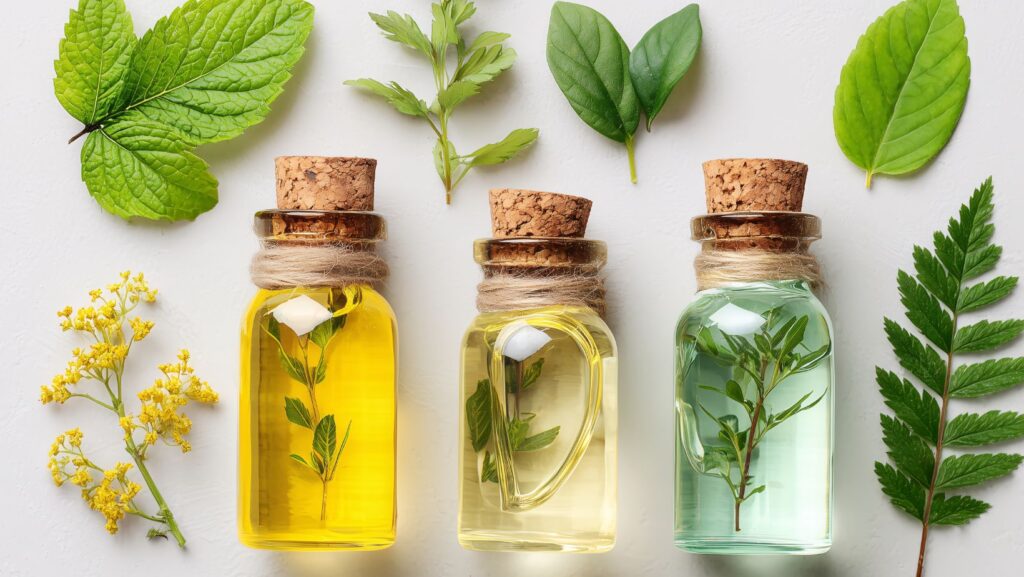
These oils are fatty and gentle, providing bulk and nourishment. Common examples include coconut, jojoba, sweet almond, and olive oil. They are meant to be used in large amounts to hydrate and soothe. They protect your skin barrier and are what make your skin soft. If you are dealing with sensitive skin issues, like helping someone manage What Is Fetal Alcohol Spectrum Disorder: Signs, Diagnosis & Support, you would prioritize gentle, hydrating carrier oils.
Essential Oils: Highly Concentrated Plant Power
Essential oils are highly aromatic and volatile compounds that are distilled from plant leaves, flowers, or bark. They are responsible for the plant’s scent and hold its potent therapeutic properties, like antimicrobial or anti-inflammatory effects.
Because they are so concentrated, a single drop goes a very long way. These are the oils you use for aromatherapy, to relieve tension, or to tackle specific issues like a blemish. You must always mix them with a carrier oil before applying them to your body. These are used in small doses, often just a drop or two, to help provide focus or calm. For example, some people use specific essential oils to support areas of health that traditional services, like those found in The Role of Authorised Prescribers in Cannalink’s Alternative Health Services, might complement.
The Science of Wellness: Fatty Acids and Antioxidants
The real magic of natural oils is hidden in their chemistry. Every natural oil has a unique profile of fatty acids and antioxidants. These are the compounds that drive the health benefits we talk about. They are the reason oils can deeply moisturize without just sitting on the surface of your skin.
Fatty acids like Omega-3s and Omega-6s are key. Your body needs them but often cannot produce them on its own. When you apply them topically, they help build and repair your cell membranes, which means stronger skin and hair. This commitment to nourishing your body from the outside in is a form of discipline, similar to the focus required for Mastering Personal Growth: Lessons Learned from Olympians’ Resilience and Training.

Antioxidants are another essential component. These compounds fight off free radicals, which are unstable molecules that cause aging and damage to your cells. By using oils rich in antioxidants, you are creating a protective shield for your body. This active defense mechanism is important in all areas of life, including keeping your connections strong and healthy. It is this protective, nourishing effect that helps keep relationships resilient and positive, just like when you are Exploring Sensuality: Tips for a More Exciting Relationship.
The Best Oils for Achieving Silky Smooth Hair
Hair health is often a direct mirror of your internal health and how well you treat your scalp. Natural oils are incredible tools for transforming dull, brittle hair into a smooth, shiny mane. They work by penetrating the hair shaft to replace lost protein and fatty acids, something synthetic conditioners often fail to do in the long run.
I used to struggle with dry ends and a flaky scalp. Switching to an oil-based hair mask changed everything for me. Instead of masking the issue, natural oils actually heal the damage and balance the scalp’s ecosystem. This foundational approach to health, focusing on the root cause rather than just the symptoms, is key to success in any endeavor, including figuring out How to Use Visual Aids to Support Adults with ADHD Memory Difficulties.
Strengthening Strands from the Root
Strong hair starts at the scalp. When the scalp is healthy, the hair follicle can produce stronger, thicker strands. Many common hair issues, like breakage and thinning, are signs that your scalp needs serious, consistent nourishment.
Oils like Castor and Rosemary are famous for boosting circulation in the scalp. A gentle, five-minute scalp massage with a blend of these oils can stimulate blood flow and help deliver vital nutrients right to the hair roots. This simple routine is a small commitment that yields huge, visible benefits over time. Making small, consistent efforts is always more powerful than trying a huge, temporary fix.
Using Coconut Oil for Deep Conditioning
Coconut oil is arguably the most popular deep conditioning treatment in the world, and for good reason. It has a high amount of lauric acid, a unique fatty acid that is small enough to actually penetrate the hair shaft, rather than just coating the outside.
If you have dry, coarse, or damaged hair, a coconut oil hair mask once a week can work wonders. Simply melt a spoonful of pure, unrefined coconut oil and massage it thoroughly from the mid-lengths to the ends of your hair. Leave it on for at least an hour, or even overnight if you can, before washing it out. Many old-world routines, much like dealing with the topics in Myths About Russian Brides: What You Need to Know, are based on traditions that have been proven effective over long periods.
The Gold Standard of Hair Hydration
Some oils stand out because of their versatility and how quickly they absorb without leaving a heavy, greasy feeling. These are the light, luxurious oils that can be used every day as a finishing product to tame flyaways and provide heat protection before styling. They are the essential final touch in a great hair care routine.
I remember when I first found one of these lightweight oils. It instantly made my hair feel softer and look shinier than ever before. It quickly became one of my must-have daily products, giving my hair a healthy, natural luster. It is an ideal finisher because it smooths the cuticle without weighing down your style.
One oil that has maintained its fame as a premier beauty secret is moroccan argan oil. This oil, sometimes called liquid gold, is extracted from the kernels of the Argan tree. It is rich in Vitamin E and essential fatty acids. It is an amazing conditioner for both skin and hair. It’s light, non-greasy, and works for almost every hair type, providing deep nourishment and amazing frizz control. It is also an investment in your personal well-being that truly pays off, much like choosing to Upgrade Your Dating Game with an AI-Powered Profile Analysis Tool.
Fighting Frizz and Adding Shine
Frizz happens when the outer layer of your hair, the cuticle, is dry and rough, causing it to look for moisture in the air. Oils smooth down this cuticle, creating a protective seal that locks moisture inside the hair shaft and blocks out humidity.
For those prone to frizz, using a tiny drop of a lightweight oil right after styling can make all the difference. The goal is to polish the hair, not saturate it. This technique provides instant shine and prevents your style from expanding in humid weather. It also helps preserve your style for longer, giving you confidence throughout the day, whether you are managing your personal life or considering topics like Beyond Monogamy: Exploring the World of Love.
Why Jojoba Oil Mimics Natural Scalp Oils
Jojoba oil is a favorite for many people because it is not actually an oil—it is a liquid wax. This unique structure means it closely resembles the natural oil, or sebum, that your own skin produces. Because of this similarity, your skin and scalp accept it easily.
When you use jojoba oil, your scalp gets a signal that it has produced enough oil, which can help regulate sebum production. This makes it fantastic for people who have both a dry scalp and oily hair. It provides hydration without feeling heavy. It’s a great balancing act, similar to finding the right technology to support your life, such as when you are Discovering the Highest Apps for Successful Relationships.
Achieving a Natural Glow: Oils for Happy Skin
Moving beyond hair, natural oils are skin care heroes. They help to maintain the skin’s protective barrier, which is essential for keeping irritants out and moisture in. If your skin looks dull or feels tight, incorporating a facial oil might be the missing step in your routine.
When I first started using oils on my face, I worried they would make me break out. I quickly learned that the right oil actually calms the skin and prevents issues. The key is choosing the right oil for your skin type and applying it correctly. This holistic care is essential to feeling good in your skin, which then allows you to be a more present part of your home life, improving Ways to Enhance Relationships Within the Household.
Soothing Dryness and Supporting the Skin Barrier
Dry skin occurs when the skin barrier is compromised, causing water to escape easily. Oils rich in linoleic and oleic acids are excellent at repairing this barrier, making the skin more resilient and much softer.
These oils sink deep into the skin’s outer layer, filling in the gaps that cause flakiness and discomfort. They calm inflammation and help your skin protect itself from environmental stressors like pollution or harsh weather. Applying a moisturizing oil immediately after a shower, when your skin is still damp, is the best way to seal in water and get lasting hydration. This is a much better long-term solution than harsh, temporary fixes, which can sometimes have unintended consequences, much like Revealing the Negative Aspects of Open Relationships.
Rosehip Oil for Scarring and Renewal
Rosehip seed oil is highly regarded for its regenerative properties. It is packed with Vitamin A, which helps promote cell turnover and repair damaged tissue. This makes it particularly effective for fading old acne scars, minimizing fine lines, and evening out skin tone.
It is a lightweight oil that absorbs quickly and feels gentle on sensitive skin. Using rosehip oil nightly can help renew your skin while you sleep, giving you a brighter, more refreshed look in the morning. This commitment to nightly repair is a great personal health strategy, just like focusing on positive connections to benefit your personal life, a topic often explored when Delving Into the Intricacies and Benefits of Homosexual Relationships.
Balancing Oily and Acne-Prone Skin
It may sound counterintuitive, but applying the right oil to oily skin can actually help control oil production. When your skin feels dry, it often overcompensates by creating excess sebum, leading to clogged pores and breakouts.
Oils with a high linoleic acid content, like grapeseed or sunflower oil, are great for balancing the skin without clogging pores. They are lighter in texture and help normalize the skin’s oil balance, reducing the likelihood of future breakouts. Using these oils keeps your skin happy and calm.
Tea Tree Oil: Nature’s Spot Treatment
Tea tree oil is a powerful essential oil that should be in everyone’s medicine cabinet. It is famous for its natural antimicrobial and anti-inflammatory qualities. This makes it an ideal spot treatment for blemishes and minor skin irritations.
Because it is so potent, you must always dilute tea tree oil before putting it on your skin. A single drop mixed with a few drops of a carrier oil, or even dabbed with a cotton swab onto a stubborn spot, can help reduce redness and swelling quickly. It is an immediate, targeted solution for minor skin concerns.
Oils for Emotional Well-being and Stress Relief
Natural oils do more than just improve your physical appearance; they are incredible tools for mood management. The practice of aromatherapy—using scent to affect your mind and body—is an ancient, proven method for tackling everyday stress and anxiety.
When you smell an essential oil, the scent molecules travel directly to the limbic system in your brain, which is the part responsible for controlling emotions and memory. This makes essential oils a fast, effective way to shift your mood, whether you need to calm down or feel more energized. This connection between scent and emotion is powerful, and utilizing it can be a great tool for self-care, even as you navigate complex situations, like Investigating the Effectiveness of Open Relationships.
Calming Your Mind Before Bedtime
Sleep is the foundation of good health. If your mind is racing, getting restful sleep can be a major challenge. Certain essential oils can signal to your nervous system that it is time to relax and rest.
Creating a nightly ritual using calming oils helps prepare your body and mind for deep slumber. This ritual can be as simple as adding drops to a diffuser or giving yourself a quick foot massage with a diluted oil blend. It is a way to transition from the activity of the day to the quiet needed for healing. Taking time for yourself like this ensures that life’s challenges, even issues explored in Examining Reasons for the Failure of Open Relationships, do not completely derail your rest and recovery.
The Power of Lavender for Restful Sleep
Lavender is the quintessential sleep oil. Its calming properties have been studied and proven time and again. It contains compounds that interact with the brain to promote relaxation and reduce anxiety, making it a natural sedative.
I like to put a drop or two of lavender essential oil on my pillowcase or mix it with a little lotion and rub it into my wrists before getting into bed. The mild, floral scent creates a sanctuary of calm, helping me to quiet my thoughts and drift off more peacefully. It is one of the easiest ways to improve the quality of your rest.
Boosting Focus and Energy During the Day
While many oils are famous for relaxation, others are known for their invigorating, stimulating properties. If you hit an afternoon slump or need to focus before a big task, these essential oils can provide a gentle, natural pick-me-up.
Peppermint and Lemon are two oils that are excellent for mental clarity. Peppermint has a refreshing scent that can wake up your senses and clear your head. Lemon oil is bright and uplifting, helping to boost your mood and alertness. Instead of reaching for another cup of coffee, try inhaling a few drops of one of these oils straight from the bottle or using them in a diffuser near your workspace.
How to Safely Use and Store Your Natural Oils
While natural oils are wonderful allies for health, they must be used correctly. Their strength is also their potential hazard if not respected. Proper dilution, testing, and storage are key to getting the benefits without any unintended issues. Always remember that purity matters, so look for high-quality, cold-pressed, or steam-distilled oils when possible.
I have learned that being mindful of how I use these products is as important as the products themselves. It is about treating these plant extracts with the reverence they deserve. Being careful ensures you and your loved ones can enjoy the natural benefits safely and completely.
Always Do a Patch Test First
I cannot stress this enough: before applying any new essential oil or carrier oil widely, you must do a patch test. Even the gentlest natural products can sometimes cause a reaction in sensitive people.
To do a patch test, simply mix a diluted drop of the oil (if it is an essential oil) with a teaspoon of carrier oil. Apply a small amount of this mixture to a discreet, sensitive area of your skin, such as the inside of your elbow or wrist. Cover it with a bandage and wait 24 hours. If you see redness, itching, or swelling, that oil is not right for you. If the area is clear, you are safe to use the oil more widely.
Proper Storage for Maximum Potency
The quality and strength of your oils are affected by how you store them. Light, heat, and oxygen can break down the beneficial components in both essential and carrier oils, making them less effective over time.
Always keep your oils in dark glass bottles, away from direct sunlight and heat sources like stovetops or sunny windows. Tightly sealing the caps after each use helps keep air out, maintaining the oils’ potency for longer. When stored correctly, a high-quality oil can last for years.
Conclusion
Embracing natural oils is a meaningful step toward living a more balanced and deeply nourished life. Whether you are using Coconut oil for a deep conditioning treatment, Rosehip oil for skin renewal, or Lavender oil for a restful night, these plant-based ingredients offer simple, effective ways to improve your physical health and emotional well-being. They provide a gentle connection to the earth and remind us that powerful remedies often come from the simplest sources.
I hope you feel encouraged to try out a new oil this week and see what kind of positive difference it makes for you. Starting this journey means committing to listening to your body and providing it with the purest form of care. As you keep making these intentional choices for your health and relationships, you will gain a deeper appreciation for this kind of simple, honest self-care. It’s a journey toward holistic well-being that truly supports all aspects of your life, from feeling ready to face everyday pressures to navigating big life decisions, such as those that might involve Examining the Advantages and Difficulties of Open Relationships or even dealing with Common Issues Handled by Family Law Attorneys.